Proverbs & Ecclesiastes September 13, 2026

28 slides

In this lesson 28 slides
  1. 01"He Shall Direct Thy Paths"
  2. 02Before we start
  3. 03Proverbs
  4. 04Ecclesiastes
  5. 05Now that we have met both books
  6. 06This week · September 7–13
  7. 07Setting · How the book is put together
  8. 08Proverbs 1:20–22
  9. 09Proverbs 2:1–5 · 1:33
  10. 10Proverbs 4:18–19
  11. 11Proverbs 1:7
  12. 12The phrase runs through the whole assignment
  13. 13Part 2 · "Be not wise in thine own eyes: fear the Lord"
  14. 14Proverbs 3:5–6
  15. 15Proverbs 3:11–12
  16. 16Part 3 · "Trust in the Lord with all thine heart"
  17. 17Proverbs 15:1–2
  18. 18Proverbs 16:24–32
  19. 19Part 4 · "A soft answer turneth away wrath"
  20. 20Sometimes the soft answer is no answer
  21. 21Proverbs 31:10, 30
  22. 22What the poem actually credits her with
  23. 23Ecclesiastes 1:2
  24. 24Under the sun
  25. 25Ecclesiastes 3:1–11
  26. 26The hardest verses in the assignment
  27. 27"The most spiritual part of the book"
  28. 28Closing
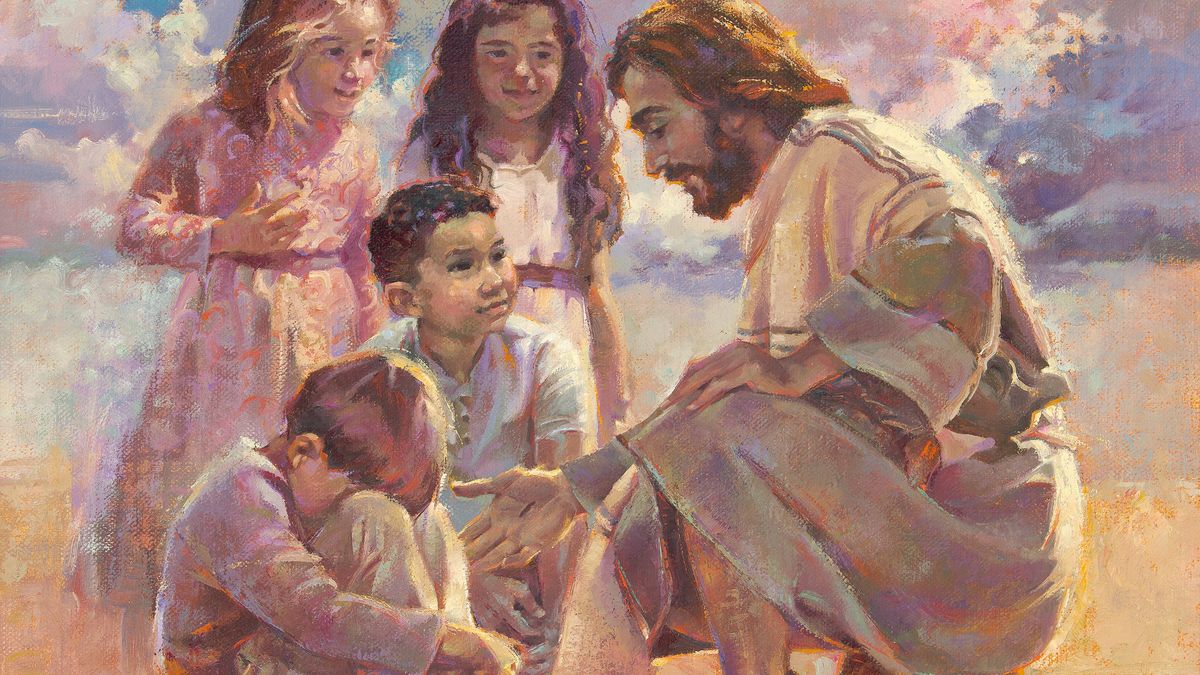
Jesus seated with children gathered around him

Gospel Doctrine · September 13, 2026

"He Shall Direct Thy Paths"

Proverbs 1–4; 15–16; 22; 31
Ecclesiastes 1–3; 11–12

Jesus with Children · Dilleen Marsh

Before we start

What did you learn about the Savior from your reading this week?

Twenty five minutes. We will not get through all of it, and that's okay.

Setting · What kind of book this is

Proverbs

THE WORD"The Hebrew word rendered proverb is mashal, a similitude or parable, but the book contains many maxims and sayings not properly so called, and also connected poems of considerable length."

THE CAVEAT"There is much in it that does not rise above the plane of worldly wisdom, but throughout it is taken for granted that 'the fear of the Lord is the beginning of wisdom' (1:7; 9:10)."

AND YET"The least spiritual of the Proverbs are valuable as reminding us that the voice of divine inspiration does not disdain to utter homely truths."

Bible Dictionary, "Proverbs, book of"

Setting · What kind of book this is

Ecclesiastes

THE SPEAKER"A Greek translation of the Hebrew Koheleth, a word meaning 'one who convenes an assembly,' sometimes rendered Preacher." He calls himself "son of David, king in Jerusalem" (1:1).

THE KEY PHRASEThe book "seems permeated with a pessimistic flavor but must be read in the light of one of its key phrases: 'under the sun' (1:9), meaning 'from a worldly point of view.'"

VANITY"As used in Ecclesiastes it means 'transitory' or 'fleeting.'" Not worthless. Not holding still.

Bible Dictionary, "Ecclesiastes"

Now that we have met both books

Did any proverbs stand out?

This week · September 7–13

Prov 1–4; 15–16"Incline thine ear unto wisdom"

Prov 1:7; 3:7; 15:33"Be not wise in thine own eyes: fear the Lord"

Prov 3:5–7; 4"Trust in the Lord with all thine heart"

Prov 15; 16:24–32"A soft answer turneth away wrath"

Prov 31:10–31"A woman that feareth the Lord, she shall be praised"

Eccl 1–3; 12Mortal life is temporary

Section headings quoted from Come, Follow Me, lesson 37, "He Shall Direct Thy Paths."

Setting · How the book is put together

PROV 1–9"The most poetic," containing "an exposition of true wisdom." This is where our first four chapters sit.

PROV 10–24"A collection of proverbs and sentences about the right and wrong ways of living." Chapters 15, 16 and 22 come from here.

PROV 25–29"The proverbs of Solomon that the men of Hezekiah, king of Judah, copied out." A later king's scribes preserving an earlier king's work.

PROV 30–31"The 'burden' of Agur and Lemuel, the latter including a picture of the ideal wife, arranged in acrostic form."

Bible Dictionary, "Proverbs, book of." The same entry notes the book "is frequently quoted in the New Testament, the use of Prov. 3 being specially noteworthy."

Part 1 · "Incline thine ear unto wisdom"

Proverbs 1:20–22

"Wisdom crieth without; she uttereth her voice in the streets … in the chief place of concourse, in the openings of the gates." Where is Wisdom standing, and how loud is she?

If she is that easy to find, why does v. 22 sound so frustrated?

Part 1 · "Incline thine ear unto wisdom"

Proverbs 2:1–5 · 1:33

Mark the verbs in 2:1–4: receive, hide, incline, apply, cry, seek, search. How much of getting wisdom is passive?

The manual invites you to mark every reference to wisdom in these chapters. What did you find that surprised you?

Part 1 · "Incline thine ear unto wisdom"

Proverbs 4:18–19

Two paths, described by their lighting. What does the just path do over time, and what is it about the wicked path that they "know not at what they stumble"?

Where in your life are you walking by light that is still "shining more and more" rather than full day?

Part 2 · "Be not wise in thine own eyes: fear the Lord"

Proverbs 1:7

"The fear of the Lord is the beginning of knowledge." Open footnote a on the word fear. It reads "OR reverence of the Lord." Read the verse again with that word in place. What changes?

How is the fear of the Lord different from other kinds of fear you have felt?

Part 2 · "Be not wise in thine own eyes: fear the Lord"

The phrase runs through the whole assignment

Prov 2:5"Then shalt thou understand the fear of the Lord, and find the knowledge of God."

Prov 3:7"Be not wise in thine own eyes: fear the Lord, and depart from evil."

Prov 15:33The fear of the Lord as "the instruction of wisdom."

Prov 16:6"By the fear of the Lord men depart from evil."

Prov 31:30"A woman that feareth the Lord, she shall be praised."

Eccl 12:13The last word of the Preacher, after everything else was vapor.

Six passages, two books, one phrase. The manual gives it a section of its own.

Part 2 · "Be not wise in thine own eyes: fear the Lord"

"Unlike worldly fear that creates alarm and anxiety, godly fear is a source of peace, assurance, and confidence."

Elder David A. Bednar, "Therefore They Hushed Their Fears," Apr 2015

Peace, assurance, confidence. Which of those three is the one you most need right now?

Elder David A. Bednar Elder
David A. Bednar

Part 3 · "Trust in the Lord with all thine heart"

Proverbs 3:5–6

"Lean not unto thine own understanding." It does not say your understanding is wrong. What is the difference between using your understanding and leaning on it?

Verse 6 says "in all thy ways acknowledge him." What would change this week if you did that in one specific way you currently handle alone?

Part 3 · "Trust in the Lord with all thine heart"

Proverbs 3:11–12

Read vv. 11–12 immediately after vv. 5–6. The promise of directed paths is followed at once by chastening. Why put those side by side?

"Whom the Lord loveth he correcteth." When has correction read as love only in hindsight?

Part 3 · "Trust in the Lord with all thine heart"

"When trust is challenged, we wonder how to trust again." … "Trust becomes real when we do hard things with faith."

Elder Gerrit W. Gong, "Trust Again," Oct 2021

Proverbs 3:5 asks for trust "with all thine heart." What makes that possible again after you have been disappointed?

Elder Gerrit W. Gong Elder
Gerrit W. Gong

Part 4 · "A soft answer turneth away wrath"

Proverbs 15:1–2

"A soft answer turneth away wrath: but grievous words stir up anger." Note that both halves are about your words, not theirs. What is the proverb actually claiming you control?

Where do you most often give the grievous word instead of the soft one? At home, at work, or on a screen?

Part 4 · "A soft answer turneth away wrath"

Proverbs 16:24–32

Verse 24 calls pleasant words "sweet to the soul, and health to the bones." Verse 32 says the one who rules his spirit is better than the one who takes a city. What is the proverb measuring strength by?

The manual asks how these teachings apply to how we communicate online. What would a soft answer look like in a reply online?

Part 4 · "A soft answer turneth away wrath"

"Believe me, in our emoji-filled world, our words matter." … "Our words on the internet, texting, social media, or tweets take on a life of their own."

Elder Ronald A. Rasband, "Words Matter," Apr 2024

He offers three sentences: thank you, I am sorry, I love you. Which one is hardest for you to say out loud?
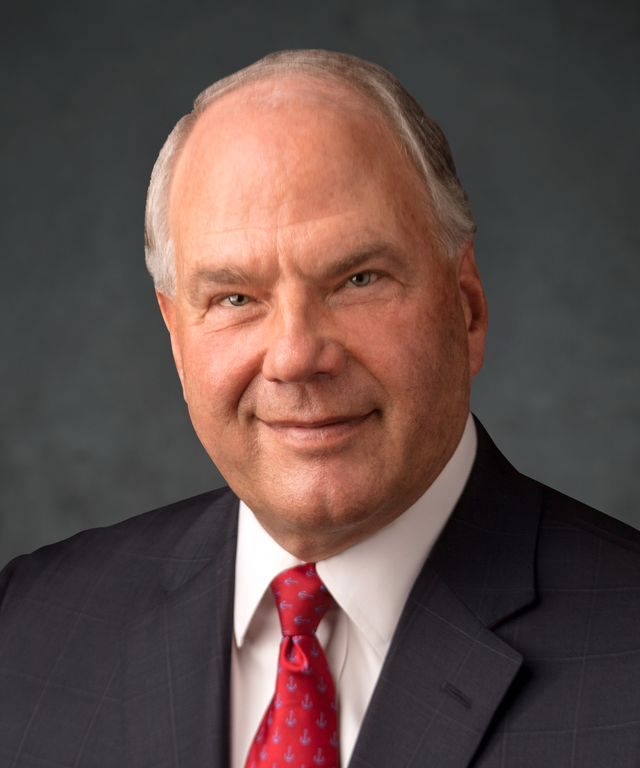
Elder Ronald A. Rasband Elder
Ronald A. Rasband

Part 4 · "A soft answer turneth away wrath"

Sometimes the soft answer is no answer

"'And the chief priests and scribes … vehemently accused him … and mocked him,' but Jesus 'answered [them] nothing.' There are times when being a peacemaker means that we resist the impulse to respond and instead, with dignity, remain quiet."

Elder Neil L. Andersen, "Following Jesus: Being a Peacemaker," Apr 2022

Read Proverbs 15:1 again. When is the soft answer no answer at all?
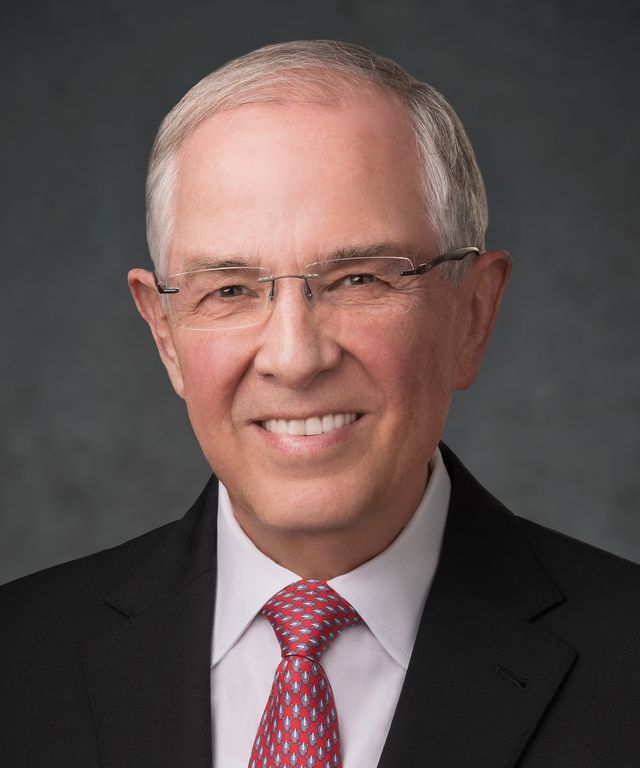
Elder Neil L. Andersen Elder
Neil L. Andersen

Part 5 · "A woman that feareth the Lord, she shall be praised"

Proverbs 31:10, 30

The poem opens at v. 10 with worth and closes at v. 30 with the fear of the Lord, which is the same phrase we started the hour on. Of everything listed in between, why is that the trait the poem ends on?

Who is a woman of spiritual strength and influence in your life, and what specifically do you want to emulate?

Part 5 · "A woman that feareth the Lord, she shall be praised"

What the poem actually credits her with

v. 16"She considereth a field, and buyeth it: with the fruit of her hands she planteth a vineyard."

v. 18"She perceiveth that her merchandise is good: her candle goeth not out by night."

v. 24"She maketh fine linen, and selleth it; and delivereth girdles unto the merchant."

She evaluates land, buys it, plants it, manufactures, and sells to wholesalers. Does that match the picture you had of this chapter?

Part 6 · Mortal life is temporary

Ecclesiastes 1:2

"Vanity of vanities … all is vanity." Open the footnote. The word means "empty, fleeting, unsubstantial," and the Bible Dictionary renders it "transitory." He is not saying life is worthless. What is he saying?

Name one thing you have treated as permanent this year that is not.

Part 6 · Mortal life is temporary

Under the sun

Ecclesiastes 1:9, 18

The Bible Dictionary says "under the sun" means "from a worldly point of view." Read v. 9 and v. 18 with that in mind. Is the Preacher describing reality, or describing the view from one vantage point?

"He that increaseth knowledge increaseth sorrow." Has learning more ever made something harder rather than easier?

Part 6 · Mortal life is temporary

Ecclesiastes 3:1–11

The seasons poem lands on v. 11: "He hath made every thing beautiful in his time … so that no man can find out the work that God maketh from the beginning to the end." What is v. 11 conceding, and what is it promising?

Which season of that list are you in right now?

Part 6 · Mortal life is temporary

The hardest verses in the assignment

Ecclesiastes 3:19–21

"A man hath no preeminence above a beast." Then v. 21 turns it into a question: "Who knoweth the spirit of man that goeth upward?" Is the Preacher making a claim here, or admitting he cannot see it from where he stands?

These verses are in the assigned block. The manual files them under "Mortal life is temporary."

Part 6 · Mortal life is temporary

"The most spiritual part of the book"

Ecclesiastes 11:1 · 12:1

The Bible Dictionary says "the most spiritual part of the book appears in chapters 11 and 12," and those are the two chapters we were assigned. After eleven chapters of vapor, what does he finally tell you to do?

"Remember now thy Creator in the days of thy youth." Why does he attach that to youth specifically?

Closing

Ecclesiastes 12:13–14

The man who said everything was vapor ends here. Read v. 13 aloud. It is the same phrase Proverbs opened with, arrived at from the opposite direction.

Proverbs starts at the fear of the Lord. Ecclesiastes spends twelve chapters getting there. Which of those two is more like your week?

Lesson revision 8f29f4f50743